
Can AI Really See What’s Ahead for You?
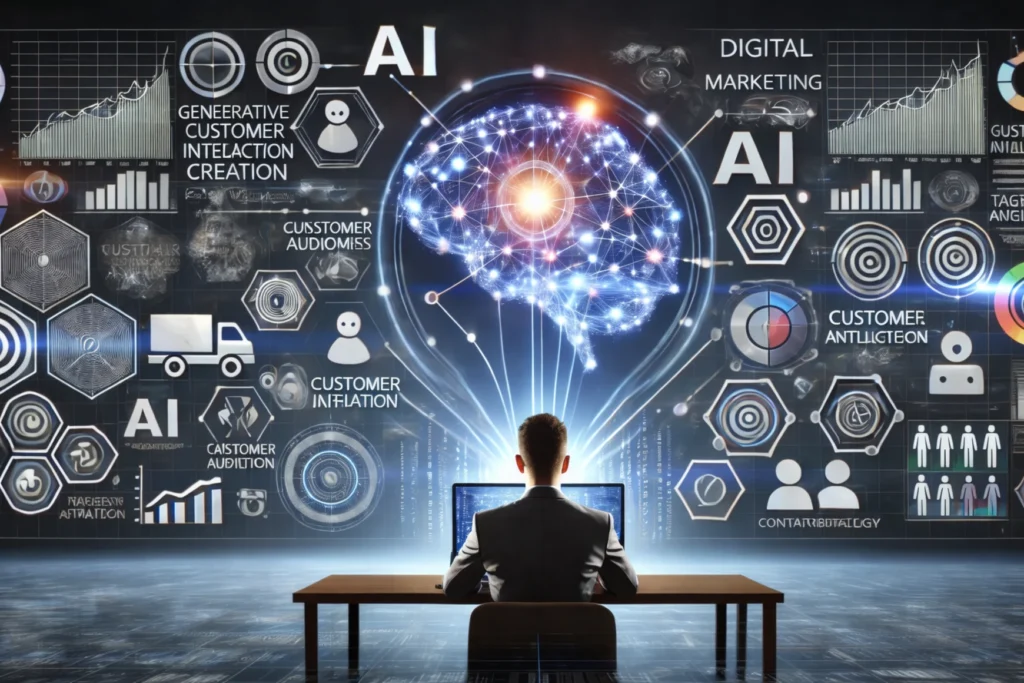
As a digital marketer, I’m always thinking ahead. I often find myself wondering which trends will shape social media next year and what kind of campaigns will genuinely connect with people. Then there’s another interesting thought. What if technology could help us look forward, not through guesswork, but by analyzing data, spotting patterns, and offering insights that guide smarter decisions?
AI as a Powerful Tool for Predicting Marketing Trends
In digital marketing, success often comes down to noticing patterns and understanding what they mean. When those patterns are recognized early, they can shape smarter and more effective decisions. This is where technology adds a powerful layer by handling large amounts of data and turning them into meaningful insights.
By analyzing audience behavior, engagement signals, and wider market movements, it becomes possible to anticipate what might happen next rather than simply reacting after the fact.
Imagine having clarity around things like:
Which types of social posts are most likely to gain strong traction
What your audience may be interested in during the coming season
Which email campaigns have the highest potential to drive real results
With this kind of insight, planning becomes more intentional. Campaigns are built with purpose, effort is focused where it matters most, and wasted time is reduced. Instead of relying on assumptions, decisions are guided by real data, helping marketers work smarter and move forward with confidence.
New Possibilities for Marketers
Predictive AI has the potential to reshape digital marketing in meaningful and practical ways when used thoughtfully.
Personalization at scale becomes possible when data is used to understand individual interests and preferences. This allows content to feel more relevant and timely, which naturally leads to stronger engagement.
Smarter ad decisions replace guesswork with insight. Instead of relying on repeated testing, patterns can reveal which campaigns are more likely to perform well, helping save both time and budget.
Early trend awareness comes from noticing subtle shifts in behavior before they become obvious. Acting on these early signals makes it easier to stay ahead rather than reacting too late.
At times, it feels like having an assistant that never switches off, constantly reviewing data, spotting opportunities, and helping guide the next best move with clarity and confidence.
Challenges Along the Way
But even with advanced tools available, there are important limitations to keep in mind.
Human behavior is unpredictable. Trends and preferences can shift overnight, and no system can fully capture the emotional or cultural moments that influence real people.
Too much reliance on automation can limit creativity. Marketing is still rooted in storytelling, emotion, and connection. Data can guide ideas, but it can’t replace originality or human expression.
Ethical considerations matter. When predictions become extremely precise, concerns around privacy and responsible targeting naturally arise and should never be overlooked.
AI works best as a support system, not a replacement for human judgment. The strongest campaigns are created when data-driven insights are balanced with creativity, empathy, and intuition working together.
My Perspective
If technology could truly anticipate what lies ahead, marketers wouldn’t just react to change. They could plan with intention, make smarter decisions, and explore entirely new ways to innovate. That forward-looking approach shifts marketing from responding to trends to actively shaping them.
In a constantly evolving digital landscape, technology isn’t here to replace human marketers. Instead, it strengthens the ability to understand what may come next and use those insights to build better strategies, make thoughtful choices, and help define the future rather than chase it.
Key Takeaways
AI may not reveal the future exactly as it will unfold, but it does help uncover patterns and possibilities that lead to smarter decisions. That insight can be a powerful advantage when used thoughtfully. While technology can support strategy, highlight trends, and improve performance, the real impact always comes from human creativity and understanding.
The future of marketing will be shaped by data, but it will always remain human at its core, guided by experience, judgment, and the art of storytelling.
Great content! Keep up the good work!